
PROCEDURES

Acute large vessel occlusion stroke mechanical embolectomy
Overview
Large vessel occlusions make up over twenty per cent of acute ischemic strokes. An ischemic stroke occurs when a blood clot obstructs an artery running to the brain. A blood clot typically forms when too much plaque sticks and hardens to the arterial wall. As a result, the artery leading to the brain becomes narrow, causing less oxygenated blood to reach the brain. This increases your risk of stroke because less oxygen and nutrients mean brain cells are likely to deplete slowly. Treating ischemic stroke early on can prevent complications related to neurological decline, and ultimately, disability.
Why it’s performed
Emergency endovascular surgery to treat ischemic stroke involves access to the inside of the blocked blood vessel. By directly removing a large blood clot when tissue plasminogen activator (tPA) cannot dissolve the clot, we can recircuit blood flow to the brain and prevent rapid cognitive dysfunction.
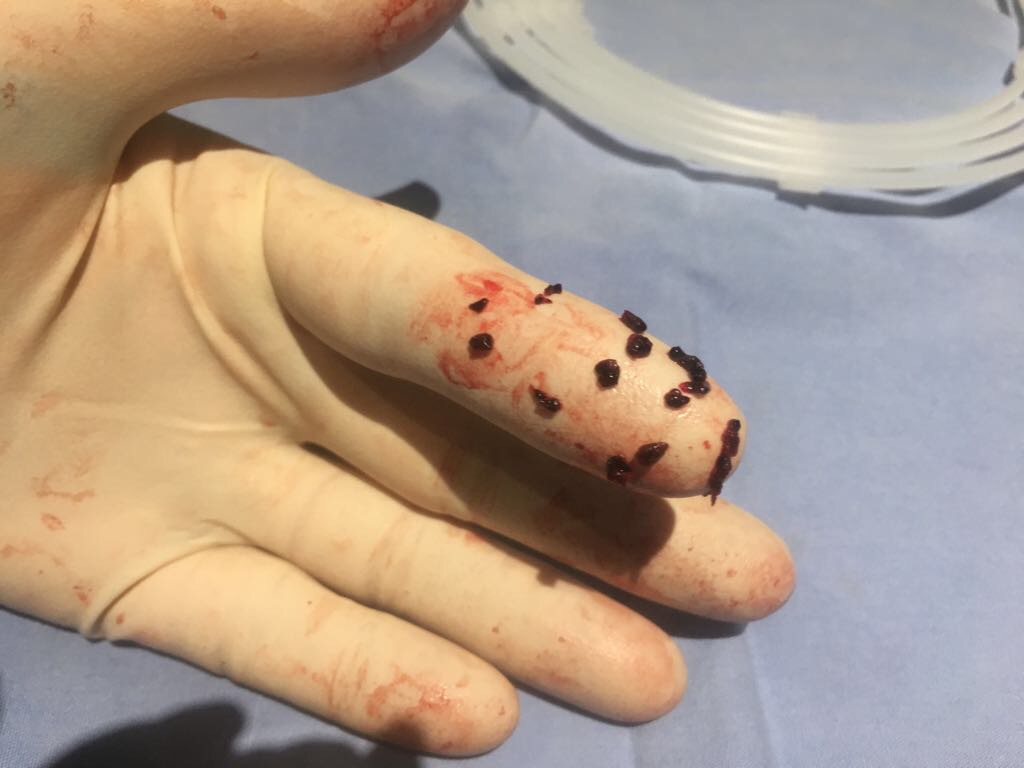
Stroke clots

stroke clot removed with stent

Watch
Stroke clot removed

Preparation
Within four to five hours, when symptoms develop, medication can be administered intravenously. An intravenous injection containing tPA is considered the gold standard for ischemic stroke because it dissolves the blood clot completely. However, urgent endovascular surgery can improve recovery and reduce permanent disability after a stroke.
Before considering endovascular surgery, we conduct a CT scan and MRI to determine whether a person suffering from ischemic stroke can benefit from the procedure.
Procedure
Sometimes when the clot is too large to dissolve, we have to use a stent by means of a catheter to remove the blood clot and restore blood flow to the brain. Imaging studies (CT and MRI scans) make it possible to conduct these procedures safely. Using continuous fluoroscopy, Dr Abelson inserts surgical tools through the femoral artery, which he guides to the blood clot, removing all its contents.
Alternatively, angioplasty and stent placement are surgical procedures to remove plaque, restoring blood supply for healthy brain function. In addition, these surgical procedures are efficient in preventing the formation of blood clots contributing to ischemic stroke.
You won’t feel any pain as the catheter moves through the arteries because the inside has no nerve endings.
- A special contrast dye moves through the catheter into the carotid artery. A contrast dye highlights the affected carotid artery and its blood flow to the brain on an x-ray.
- A filter (embolic protective device) is inserted into the carotid artery. A filter is placed further from the blockage to catch debris from the affected area.
- A surgical balloon is inflated into the carotid artery. A balloon at the edge of the catheter inflates to push plaque against the arterial wall and dilate the vessel.
- A tube mesh (stent) is inserted into the open vessel. A stent keeps the vessel open and, at times, is coated with a drug to reduce the risk of restenosis.
- The embolic protective device, small tube, catheter and balloon tip are taken out. Applying pressure at the incision site prevents excessive bleeding.
Recovery
We closely monitor your condition a day after surgery. Emergency surgery that takes place after a stroke ensures you are able to function independently. The impact of the stroke depends on the area of the brain affected and the amount of tissue damaged. Following a stroke, you have to undergo a strict rehabilitation program to restore movement and sensation.